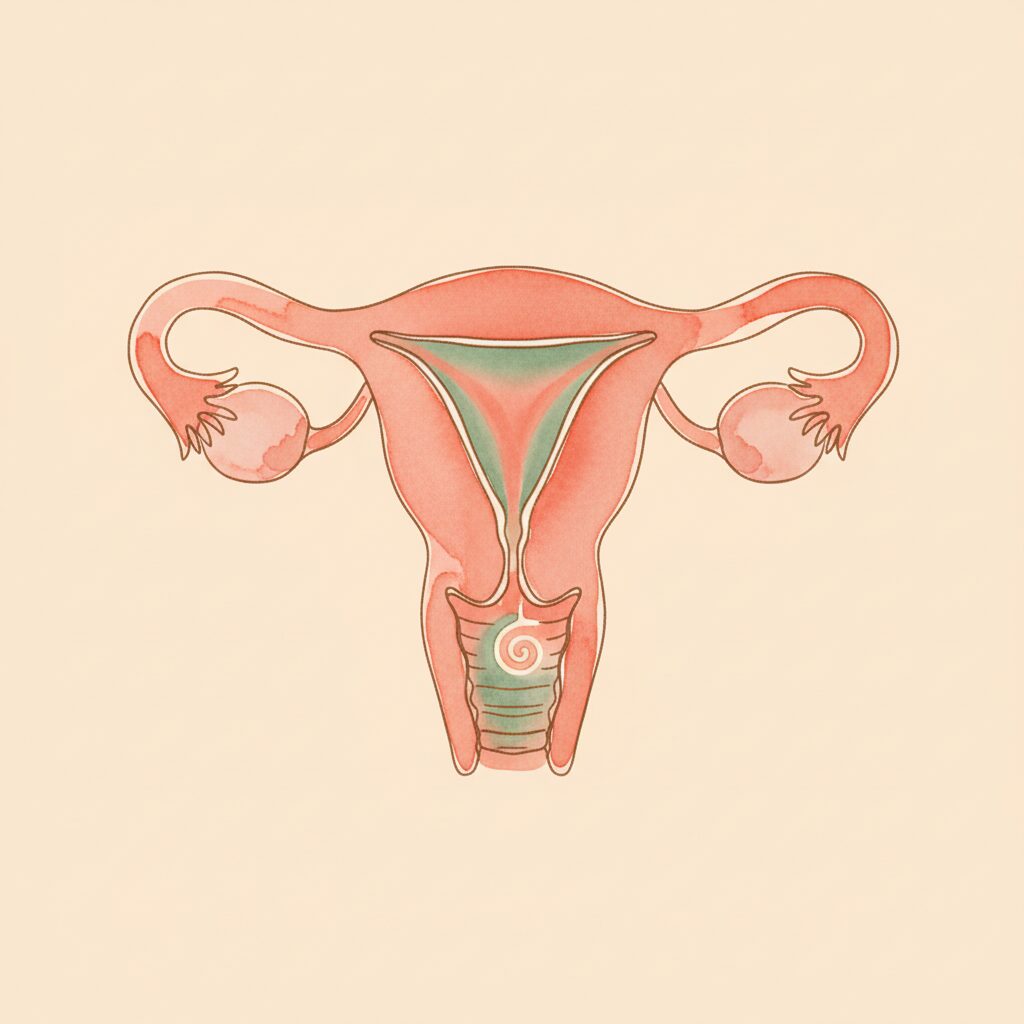
What is recurrent pregnancy loss?
RPL is defined internationally as two or more consecutive pregnancy losses, typically before 20 weeks gestation. A single miscarriage is common — up to 25 percent of recognised pregnancies end in early loss, usually due to random chromosomal abnormalities. RPL is statistically less common (affects 1–2 percent of couples trying to conceive) and warrants a focused workup to find what, if anything, is treatable.
RPL is one of the most emotionally difficult conditions in reproductive medicine. The combination of repeated grief, uncertainty, and the slow process of investigation can be exhausting. A clear, structured workup — ideally completed in 2–3 visits — gives you back some agency.
The workup — what we test
Anatomic
- Transvaginal ultrasound for uterine cavity shape, fibroids, polyps.
- Hysteroscopy or 3D ultrasound for septum, adhesions, subtle cavity abnormalities.
Genetic
- Karyotype of both partners — identifies balanced translocations.
- Karyotype of products of conception from prior losses when available.
Endocrine
- Thyroid function (TSH, anti-TPO antibodies).
- Prolactin.
- HbA1c or fasting glucose if diabetes risk.
- PCOS workup if features present.
Immune and thrombophilic
- Antiphospholipid antibodies — lupus anticoagulant, anti-cardiolipin, anti-beta2-glycoprotein-1.
- Inherited thrombophilia workup (Factor V Leiden, prothrombin mutation) — selectively, based on personal/family history.
Other
- Vitamin D, Vitamin B12 — for general optimisation, not as RPL causes per se.
- Endometrial biopsy for chronic endometritis when indicated.
Common identifiable causes
- Uterine factors (uterine septum, intracavitary fibroids, polyps, Asherman syndrome) — 10–15%.
- Antiphospholipid syndrome — 5–15%.
- Endocrine factors (thyroid, diabetes, hyperprolactinaemia) — 5–10%.
- Balanced chromosomal translocations — 4–6%.
- Inherited thrombophilias — controversial but considered in selected cases.
- Chronic endometritis — recognised more recently.
The "unexplained" category
About half of RPL cases will have a normal workup. This is one of the most difficult conversations to have — couples want a cause they can fix. The honest framing: unexplained RPL doesn't mean there's no cause. It means we couldn't identify a cause with current tests. The future-pregnancy outlook is still encouraging — about 60–70% live birth in the next pregnancy even with unexplained RPL.
Treatment — condition-specific
Treatment depends on what we find:
- Uterine septum or polyps — hysteroscopic resection.
- Antiphospholipid syndrome — aspirin + low-molecular-weight heparin during pregnancy.
- Endocrine — correct the underlying issue (thyroid medication, diabetes management, treat hyperprolactinaemia).
- Balanced translocation — IVF with PGT-SR.
- Unexplained RPL — close monitoring in early pregnancy, possible empirical low-dose aspirin and progesterone support, sometimes pre-conception genetic and immune optimisation.
When PGT helps
For RPL with maternal age over 35 or with prior aneuploidy in losses, PGT-A (preimplantation genetic testing for aneuploidy) within IVF can reduce miscarriage rates. The decision is individualised.
Emotional dimensions
RPL is not only a medical condition. The repeated grief, the difficulty trusting subsequent pregnancies, and the impact on relationships are real and significant. Counselling, peer support, and time should all be part of care — not afterthoughts. We don't rush couples back into trying.
How I work with RPL
Three principles:
- Complete the workup once, thoroughly. Don't drip-feed tests over months.
- Treat what we find, and only what we find. No empirical kitchen-sink protocols. No unnecessary aspirin, heparin, or steroids.
- Manage the next pregnancy actively. Early ultrasound monitoring, progesterone support when indicated, clear communication points so you don't feel alone in the waiting.
After RPL, the next pregnancy deserves a plan.
A consultation completes the workup and sets up clear monitoring for whatever comes next.
Frequently asked questions
The questions patients ask me most often about recurrent pregnancy loss.
After how many losses should I get tested?
International guidelines recommend evaluation after 2 consecutive losses, particularly if 35+ or with prior fertility issues. Earlier evaluation appropriate with specific risk factors — thrombophilia, autoimmune, advanced age, or a late loss.
What's the most common cause?
50–60% of losses are random embryonic chromosomal abnormalities. In RPL: uterine factors, thrombophilia (especially APS), endocrine, balanced translocations, immune. About 50% of RPL remains unexplained.
Do thrombophilia tests help?
Selectively. APS antibodies clearly associated and treatable — testing standard. Inherited thrombophilias have weaker association; treatment evidence mixed. We test what has actionable results.
Will I have a successful pregnancy?
Encouragingly yes. Even with 3 losses and no identified cause, ~60–70% chance of live birth in next pregnancy. Identifying and treating a cause improves this further. RPL is rarely the end of the story.
Should I do PGT?
PGT-A can reduce miscarriage rates in RPL, especially with maternal age 35+ or prior aneuploidy. Reasonable in age-related RPL but not mandatory for everyone. Individualised.
Can immune issues cause RPL?
APS is the best-established immune cause and treatable with aspirin/heparin. Beyond that, NK cell testing and reproductive immunology have weaker evidence. We focus on evidence-based workup.
Does aspirin help?
Low-dose aspirin helpful with clear thrombophilic indication. As routine "just-in-case" for unexplained RPL, evidence is weaker. We use selectively, not by default.
Should both partners be tested?
Yes when chromosomal causes investigated. Both partners should have karyotyping — 4–6% of RPL couples have balanced rearrangement in one partner. PGT-SR is the treatment when found.