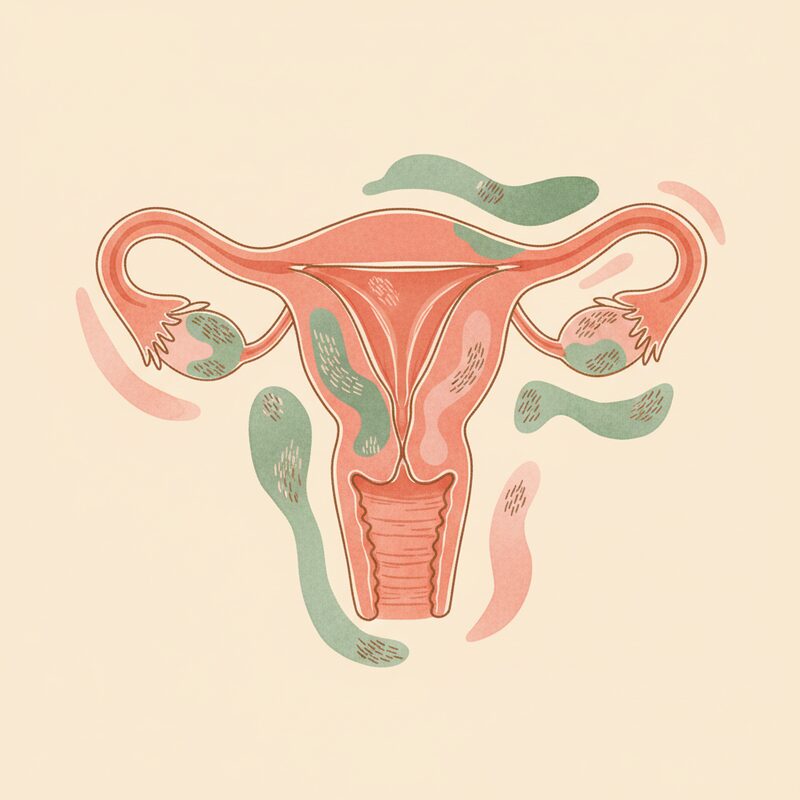
What is RIF?
Recurrent implantation failure is the situation where, despite multiple transfers of morphologically good-quality embryos in a properly prepared uterus, no pregnancy results. Definitions vary — some require 2 failed transfers, others 3, and some specify a total number of transferred embryos.
RIF isn't a single disease. It's a phenotype with multiple possible causes, some of which can be identified and addressed, and some of which we don't yet have good tests or treatments for.
The workup — what to investigate
Uterine
- Hysteroscopy — the most direct evaluation. Polyps, submucous fibroids, septum, adhesions, and chronic endometritis can all be identified and treated.
- Saline ultrasound (HSG / saline-infusion sonography) — complementary imaging.
- Tubal status check — hydrosalpinx if not previously addressed.
Embryo
- PGT-A — many morphologically good embryos are chromosomally abnormal. Selecting normal embryos substantially improves per-transfer outcomes.
- Embryo morphokinetics at the IVF lab — time-lapse imaging if available.
- Sperm DNA fragmentation — high fragmentation reduces implantation rates.
Timing — the window of implantation
- ERA test — identifies displaced implantation window. Selectively used in RIF after other causes are ruled out.
Endocrine and metabolic
- Thyroid function (with anti-TPO antibodies).
- Prolactin.
- Vitamin D and metabolic optimisation.
Immune and thrombophilia
- Antiphospholipid antibodies — well-established and treatable.
- Inherited thrombophilias — selectively, based on personal/family history.
- NK cells and reproductive immunology — weak evidence, not routinely pursued.
Uterine causes — the most actionable
Hysteroscopy in RIF often reveals:
- Endometrial polyps — common, easy to remove, meaningful improvement in subsequent transfer rates.
- Submucous fibroids — clearly reduce implantation; hysteroscopic resection helps.
- Uterine septum — congenital, often missed on ultrasound, addressable in a single procedure.
- Asherman syndrome — intrauterine adhesions, treatable hysteroscopically.
- Chronic endometritis — subtle, increasingly recognised. Treated with antibiotics if diagnosed on biopsy.
- Hydrosalpinx — if present, treated by salpingectomy or tubal clipping before another transfer.
Embryo-side issues
A morphologically beautiful blastocyst can still be chromosomally abnormal. PGT-A directly tests this. In RIF, particularly when maternal age is 35+, PGT-A is one of the highest-yield interventions.
Sperm DNA fragmentation is another underrated factor. Sperm with high fragmentation can fertilise eggs and produce visually normal embryos that then fail to implant or implant briefly and miscarry.
Timing — the implantation window
ERA identifies women whose endometrial receptivity is shifted earlier or later than the standard timing. Personalised transfer timing can rescue otherwise good cycles. Evidence has become more nuanced in recent trials, but ERA remains a reasonable selective add-on after 2–3 unexplained failed transfers.
The immune question
Reproductive immunology has been controversial for years. Most large studies have not shown clear benefit from immune-targeted interventions (intralipids, IVIG, steroids, anti-TNF agents) in RIF without a specific autoimmune diagnosis. Antiphospholipid syndrome is the well-evidenced exception — that we test for and treat with aspirin and heparin.
We don't pursue speculative immunology testing or treatments that lack good evidence.
Treatment strategies
- Treat what we find. Polyp removal, septum resection, antibiotics for endometritis, hydrosalpinx management, PGT-A for embryo selection.
- Personalised timing via ERA if other causes are ruled out.
- Sperm DNA fragmentation — address with lifestyle, antioxidants, varicocele repair, or use of testicular sperm.
- Empirical adjuncts (aspirin, progesterone support, immunomodulation) — only with clear evidence-based indications.
- Consider second-opinion review of lab quality, embryo grading, and protocol design.
How I work with RIF
RIF is one of the most demoralising situations in fertility care. By the time someone arrives with multiple failed transfers, they've usually been told different things by different clinicians. My approach:
- One structured workup, completed in 2–3 visits. No drip-feeding tests across months.
- Hysteroscopy with a low threshold. Most uterine factors are subtle and don't show on ultrasound; hysteroscopy is the most reliable evaluation.
- Honest framing of what's evidence-based and what isn't. No speculative interventions.
- A clear plan. Whether the next transfer happens here, at another centre, or only after a specific treatment — you leave the consultation with a defined next step, not vague optimism.
After multiple failed transfers, you deserve a real plan.
A consultation walks through a complete RIF workup and the structured next steps.
Frequently asked questions
The questions patients ask me most often about RIF.
How is RIF defined?
Most definitions: failure to achieve clinical pregnancy after 2–3 transfers of good-quality embryos in a properly prepared uterus. No universal definition; targeted investigation usually starts after 2 failed transfers of good embryos.
What's the most common cause?
No single cause. Major contributors: embryo aneuploidy, uterine factors, displaced implantation window, sperm DNA fragmentation, immune factors, pre-existing conditions like hydrosalpinx or untreated thyroid. Systematic workup identifies treatable cause in ~50–60% of cases.
Should I do PGT?
PGT-A is one of the most useful interventions in RIF, particularly when maternal age 35+. Many good-looking embryos are chromosomally abnormal. PGT-A improves per-transfer implantation substantially.
Should I do ERA?
Reasonable to consider after 2–3 failed transfers when other causes ruled out. ~25–30% of RIF patients have displaced window in earlier studies. Selective add-on, not routine.
Is immune testing useful?
Reproductive immunology has weak evidence in RIF. Most large trials show no clear benefit from immune interventions without specific autoimmune diagnosis. APS is the well-evidenced exception.
Will surgery help?
Yes when treatable surgical finding. Hysteroscopic removal of polyps, fibroids, septum, adhesions improves transfer rates substantially. Hydrosalpinx treated with salpingectomy or clipping before another transfer.
Should I try a different IVF clinic?
Lab quality matters enormously. Multiple failures at one clinic with no explanation? A second-opinion review at another reputable centre can identify gaps. Don't keep transferring if nothing's changing.
When should I consider surrogacy?
When own-uterus transfers have repeatedly failed despite thorough workup, particularly with severe untreatable uterine factors. In India, surrogacy restricted to specific medical indications under the 2021 Act.